The Setup
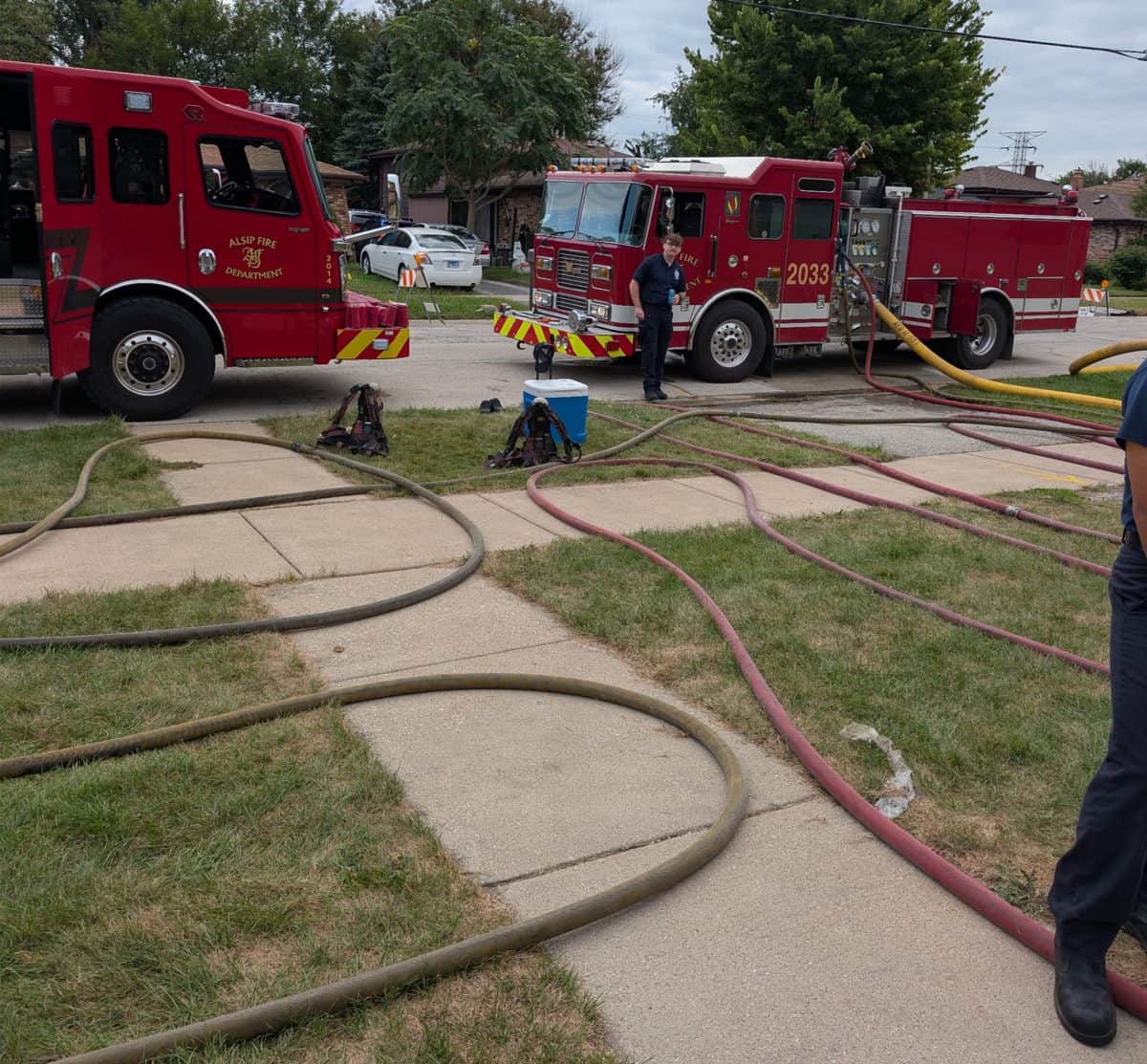
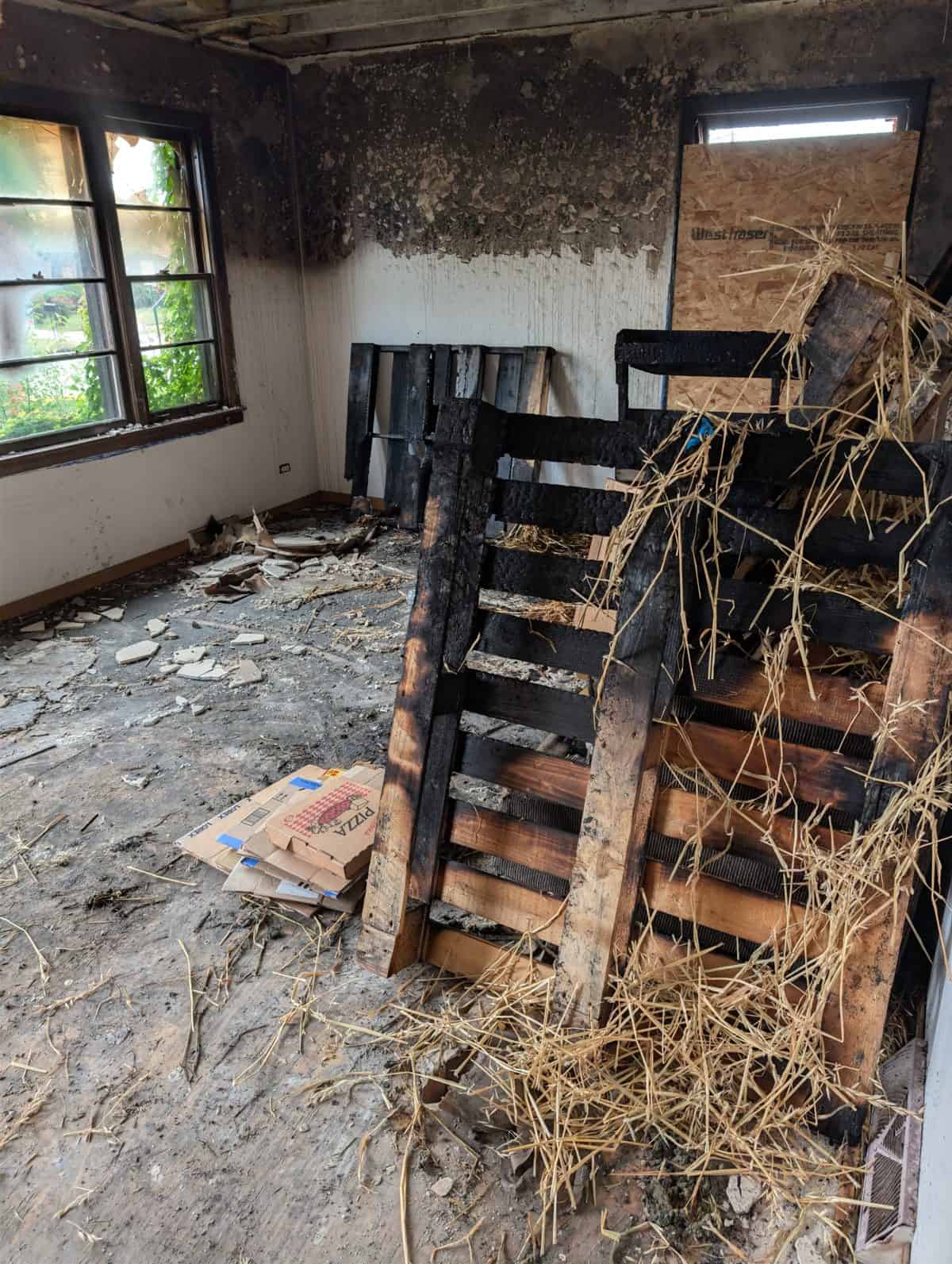
The Alsip Fire Department requested the demonstration and ran it in a two-story, single-family residence of ordinary construction. The fire was built in the living room from a loveseat, several wooden pallets, straw and cardboard, then allowed to develop until flames reached the ceiling and began running across the room toward the hallway.
The room was not sealed. The ceiling above the fire area was open, giving heat and agent a path upward, and the doorway to the kitchen was left open. Both conditions work against a total-flooding agent, which depends on holding concentration in the space.
The Deployment
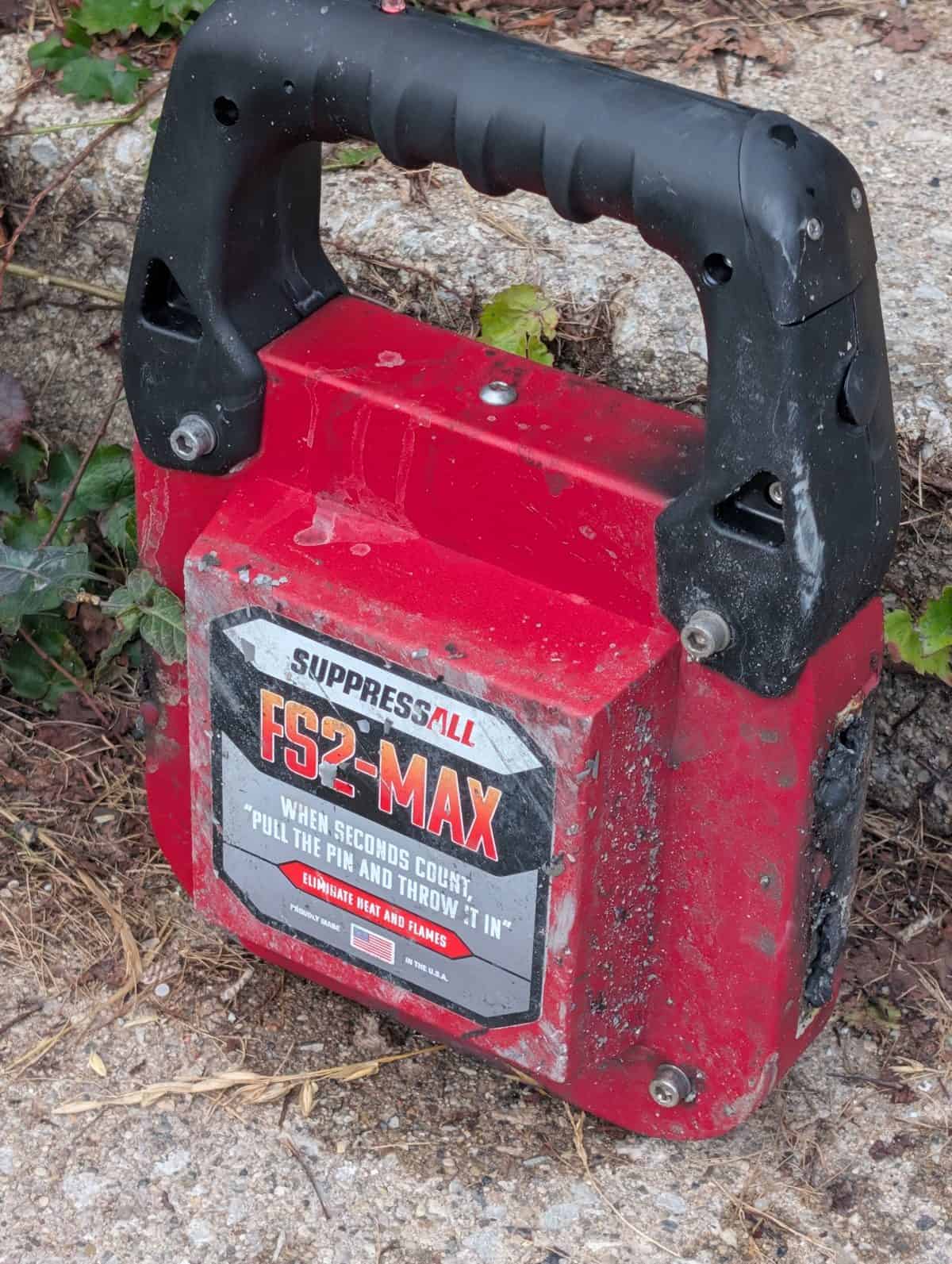
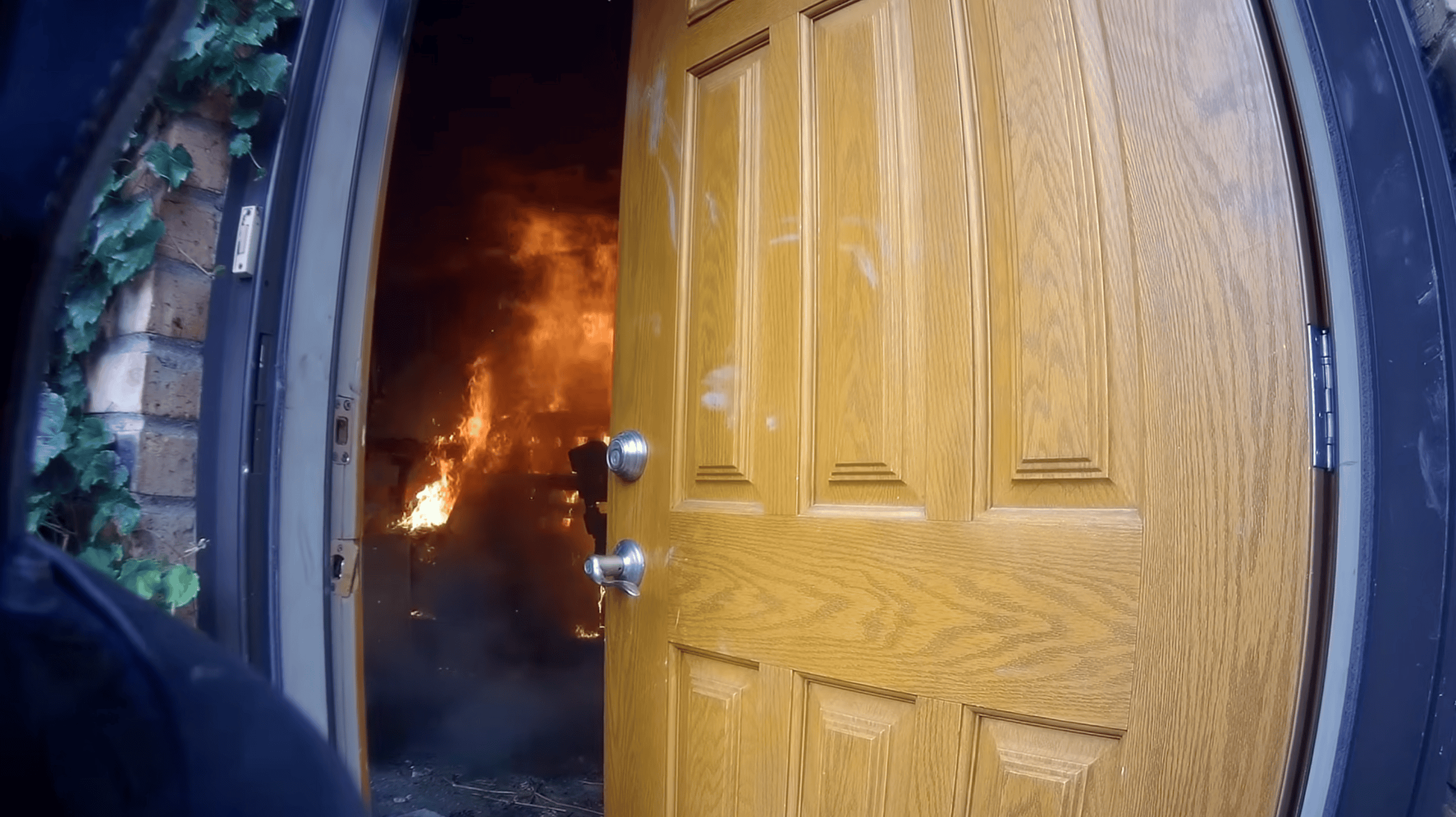
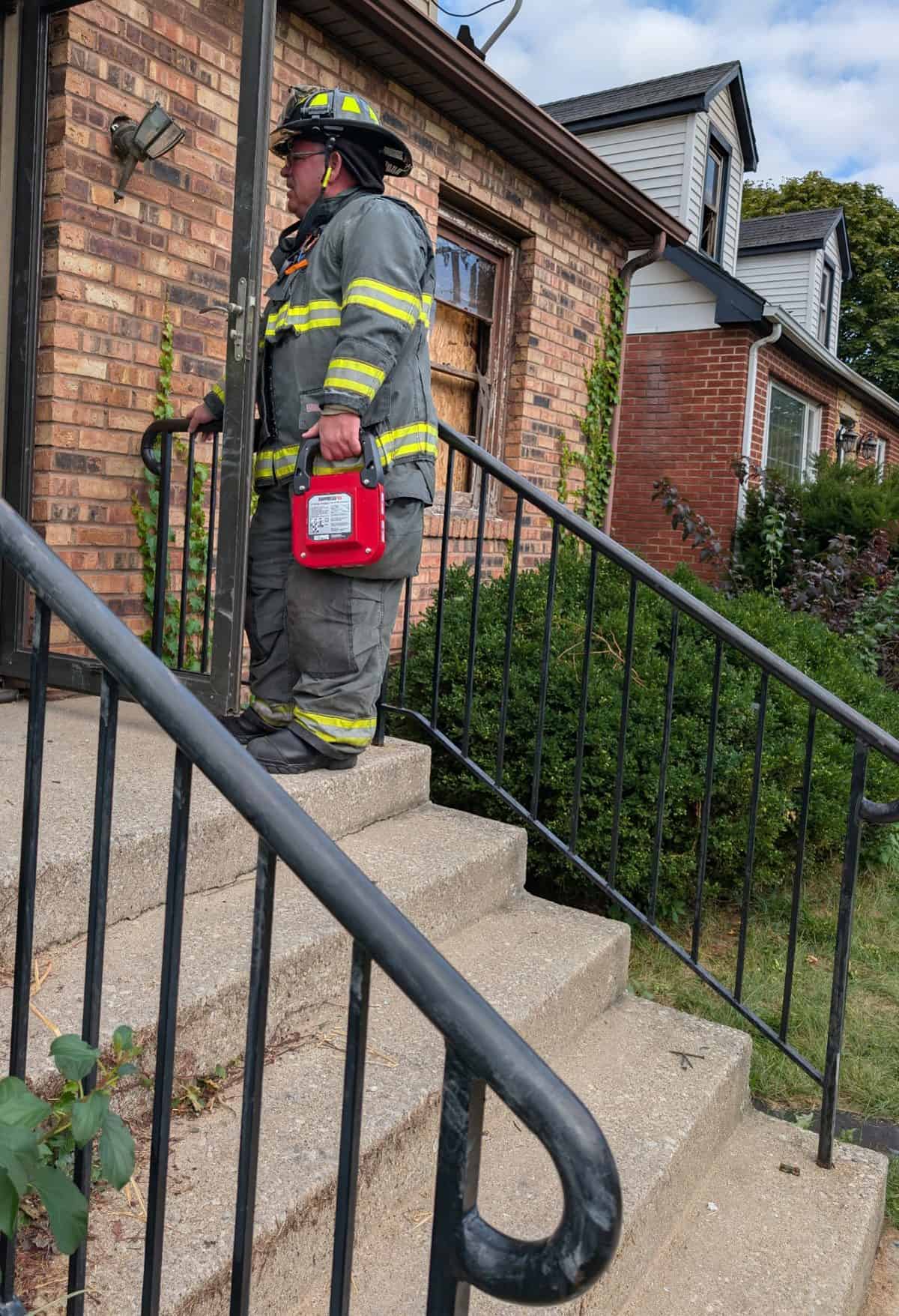
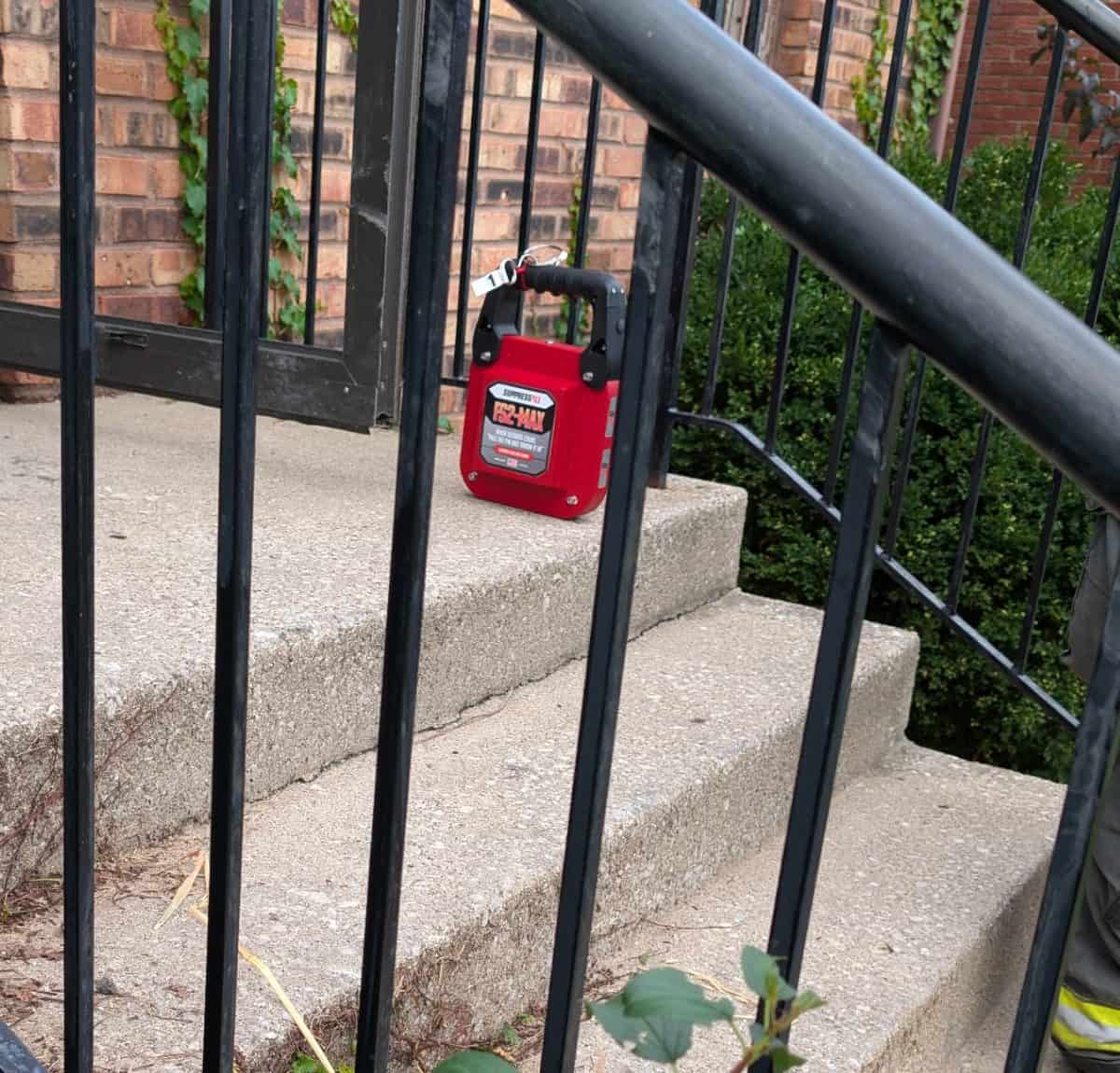
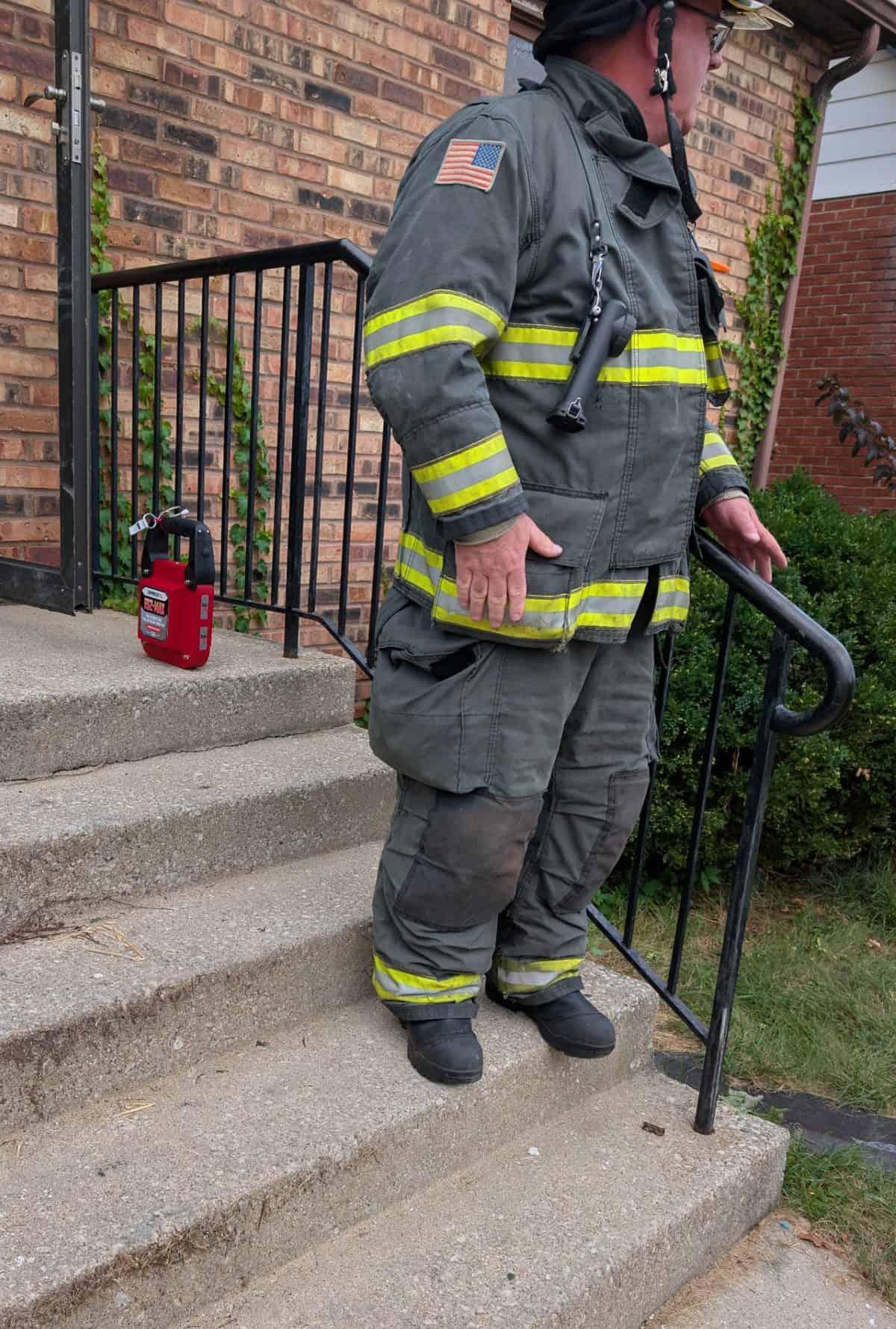
About three minutes after ignition, a lieutenant pulled the pin, tossed a single FS2-MAX into the living room from the front door, and closed the door. There was no interior entry and no water applied before or during discharge.
The Result
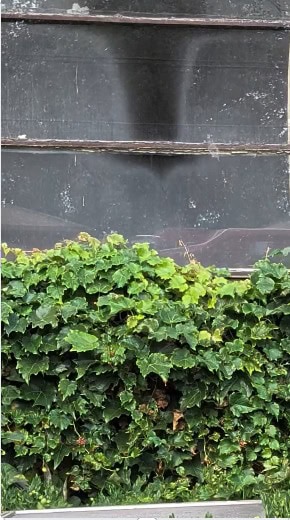
On video, the fire was knocked down in roughly ten seconds after the agent cloud appeared, going from full involvement to no visible flame. After discharge ended, crews waited about one more minute, then sent in a hose team. They found a small amount of fire still under the loveseat, measured about 300°F at the ceiling, and completed overhaul with approximately 30 gallons of water. Remaining smoke was cleared with a PPV fan. There was no fire extension to other areas.